50/30/15/5 Budget Analyser (India)
The original 50/30/20 budget assumed no EMIs and free public health care. Indian households need a fourth bucket. Here's how your numbers stack up.
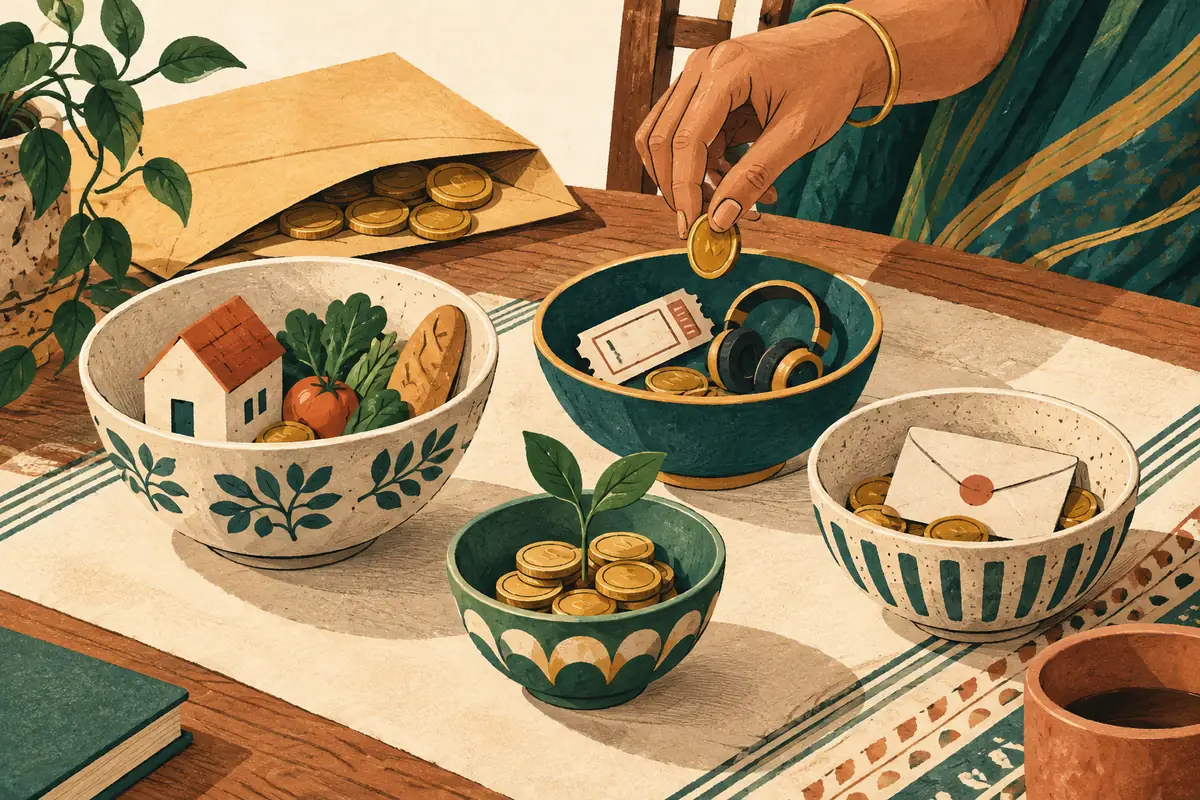
Your numbers
Needs (target 50%), rent, EMI, groceries, utilities, transport, insurance
Wants (target 30%), eating out, travel, subscriptions, hobbies
Savings & investments (target 15%), SIP, PPF, RD, retirement
Buffer (target 5%), unplanned medical, parent emergencies, festive bonuses
Your result
Target is 50/30/15/5. You're at 53% / 25% / 15% / 8%.
- Needs
- 53% (target 50%)
- Wants
- 25% (target 30%)
- Savings
- 15% (target 15%)
- Buffer
- 8% (target 5%)
paisaexpert.com
Not sure what this means?
Why the original 50/30/20 doesn't fit Indian life
The classic budget rule was designed in the US in 2005, no home loan EMI assumed, no out-of-pocket healthcare to plan for, and no family emergency culture. Drop those into an Indian household and the maths breaks.
We rebuilt it as 50/30/15/5. Same 50% for needs, but in India "needs" often includes a 20-30% EMI line, leaving only 20-30% for everything else necessary. Wants stays at 30%. Savings drops to 15% (still ambitious for most Indian households). And a new 5% buffer line for the things that always come up: a parent's hospital trip, a wedding contribution, a school fee hike, a bonus festival spend.
How to fix each bucket
If needs are over 55%
You probably have an EMI-heavy life. Either downsize (move, change car, refinance loan) or commit to keeping wants under 25% for a year while you grow income. Time is the medicine.
If wants are over 35%
Run the Subscription Audit. Run the "Is It Worth It" Calculator before any purchase over ₹2,000. Two months of discipline and the wants line normalises.
If savings are under 10%
Automate. Set a SIP for the day after salary credit. Even ₹2,000/month at age 25 in an index fund is over ₹1 crore by retirement.
If buffer is zero
Open a separate savings account today. Standing instruction: ₹4,000/month auto-transfer. Don't touch it. When something unplanned hits, you'll thank yourself.